Before restaurants became formalized establishments, before restaurants became spaces exclusively for eating, before cooking occurred primarily in private kitchens—food was made and consumed in streets and public spaces. Street food is the original fast food, the cuisine of working people, the culinary expression of communities that fed themselves with what was convenient, affordable, and delicious. Today, street food represents some of the world's most beloved dishes, often with histories stretching back centuries, refined not in fancy restaurant kitchens but in pushcarts, small stalls, and vendor spaces refined through generations of repetition.
Street Food as Cultural Cornerstone
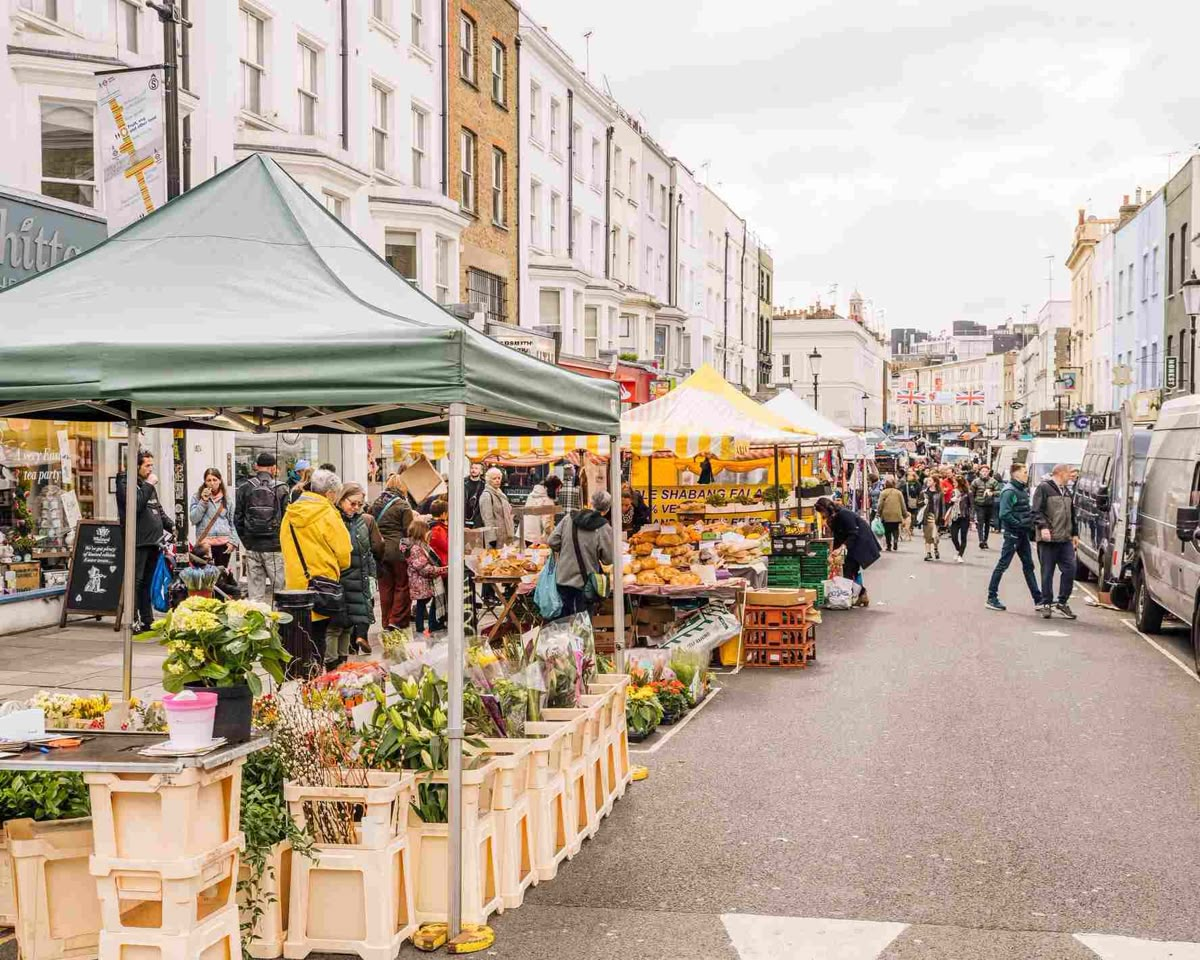
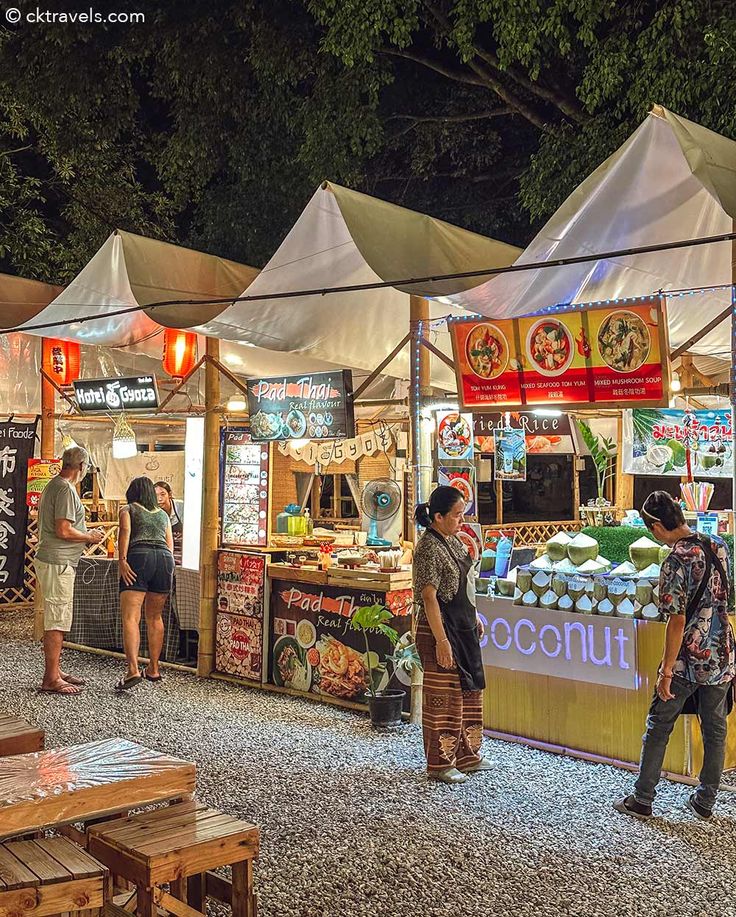
Walk through the streets of any world city at meal times and street food vendors appear—not as anomalies but as essential infrastructure. In Bangkok, the pad thai cooked in a vendor's cart is likely superior to many restaurant versions. In Mexico City, the best tacos are often from street vendors who've perfected their craft over decades. In Istanbul, the kebab vendors represent centuries of culinary tradition. In Lagos, Accra, Cairo, and Mumbai, street food represents not informal economy but dominant food source for millions—the restaurants of ordinary people, the spaces where serious food culture happens.
Street food doesn't represent lesser culinary traditions; in many cases, it represents deeper traditions. While formal restaurant cuisine developed to impress wealthy elites, street food developed to feed working people efficiently, affordably, and deliciously. This constraint produced innovation—a necessity to maximize flavor while minimizing ingredient costs and cooking time produced sophisticated techniques and recipe development that rivals any restaurant cuisine.
Economics of Street Vending
Street vending represents crucial economic access for millions. In developing economies, street food vending provides employment for people who might otherwise struggle to find work. A cart, some basic equipment, and culinary knowledge become entrepreneurship—the pathway to income without formal employment requirements, without capital prerequisites that would exclude the poor from economic participation.
This economic function has profound implications. For immigrants arriving in new countries with limited English proficiency or formal qualifications, street food vending offers entry into labor markets. For people with family responsibilities limiting full-time employment possibilities, vendor work offers flexibility. For communities marginalized from formal economy, street vending enables self-employment and independence. The street vendor economy, while often unregulated and precarious, represents genuine economic democratization, making entrepreneurship accessible to those formal business structures exclude.
Intergenerational Knowledge Transfer
Street food businesses often pass through families across generations. A vendor's child grows up in the family business, learning not just recipes but technique, business practices, customer relations, and the specific knowledge that makes their food distinctive. This intergenerational transmission ensures that recipes and techniques survive, refined through repetition and adaptation over decades. The family recipe becomes the competitive advantage, the secret that makes their pad thai superior to competitors', that makes their pupusas legendary in their neighborhood.
In many cases, these family recipes have traveled continents. An immigrant from Vietnam teaches their children to prepare the pho that their grandmother made; a Mexican family whose lineage in their country extends centuries continues making the mole their ancestors developed; a West African family carries forward recipes that navigate back through diaspora. The street food cart becomes a vehicle for cultural continuity, a way of transmitting heritage while adapting to new contexts.
The Soul of Specific Dishes
Many of the world's most iconic dishes originated as street food, refined by vendors into legendary status. Khao soi in Thailand began as peasant food, rice noodles with curry broth, created by vendors using inexpensive ingredients to produce satisfying meals. Today it's considered one of Thailand's most important dishes, though it retains its street food origins—served in bowls, eaten with hands, representing the essence of Thai culinary philosophy.
Falafel became iconic Middle Eastern street food, likely developing in Egypt or the Levant, vegetarian protein available affordably to poor communities and sold by street vendors. It's since become so embedded in regional identity that it's impossible to imagine Middle Eastern culture without it, yet it originated as practical street food, a way to feed working people efficiently. Similar stories apply to empanadas, samosas, jianbing, crepes, kebabs—the world's most recognized and beloved dishes often began as practical street food created for ordinary people.
The Vendor: Keeper of Culinary Legacy
Meet Mr. Chen, who has sold dan tat (egg tarts) from the same corner in Hong Kong for forty-three years. His hands move through the production automatically—rolling dough, forming tarts, filling with custard, baking to golden perfection. The line waiting for his tarts stretches around the block every morning. When asked why his tarts surpass others, he discusses specifics of custard temperature, the precise moment to remove them from the oven, the butter composition—details refined through decades of daily repetition.
Mr. Chen doesn't have a culinary degree; he learned from his mother, who learned from her mother. The dan tat recipe has been refined across generations, minor adjustments accumulating into something distinctively superior. He could write down the recipe, but the magic lives in execution—in the feel of the dough, in the visual evaluation that determines when they're perfectly cooked, in the subtle judgment refined only through making thousands of tarts. When Mr. Chen eventually retires, his daughter plans to continue the business, ensuring that the accumulated knowledge survives and that customers can continue experiencing the tarts that have been part of Hong Kong's food culture for decades.
Challenges and Precariousness
Street food vendors operate in precarious conditions. Most lack formal registration and operate in legal gray areas. Health regulations, while important, often seem designed to exclude informal vendors rather than improve safety. Lack of access to credit limits business growth. The hours are long, compensation uncertain, and the work physically demanding. Vendors face constant risk of fines, displacement for urban development, or competition from formal restaurants.
Yet vendors persist because the alternatives are often worse. For many, street food vending represents the best available option—genuine autonomy, flexible hours, the possibility of entrepreneurial success. And for their customers, street vendors represent accessible food, the meal that fits their budget, the cuisine that tastes like home. This mutual dependence—vendor and customer each needing what the other provides—creates the ecosystems where street food thrives.
Street Food and Cultural Tourism
Contemporary travel increasingly emphasizes street food as the authentic culinary experience. Food tourism often seeks out vendors rather than formal restaurants, recognizing that street food represents truer expression of local food culture than expensive establishments. This creates both opportunity and danger. The opportunity is that vendors gain economic advantage from increased customers. The danger is that street food can become commodified, transformed into performance for tourists, losing the authentic context that made it valuable.
The challenge is celebrating and supporting street food culture while respecting the communities these vendors serve. Street food isn't museum piece to be preserved but living practice—food made for people who eat it regularly, who depend on it for affordable nutrition, who value it not as cultural artifact but as delicious, practical daily food. Supporting street food means providing regulatory frameworks that enable vendors to formalize without losing what makes them valuable, that protect rather than displace them, that recognize their economic and cultural importance.
The Future of Street Food
As cities modernize and formal food systems expand, street food appears threatened. Yet in many places it adapts and thrives. Food trucks bring street food traditions to new contexts. Pop-up restaurants capture street food sophistication for diners seeking authenticity. Online platforms connect vendors to customers. The transmission of recipes from vendor parents to children continues, ensuring knowledge survival.
What endures about street food is the fundamental appeal: delicious food made quickly, affordably, with expertise refined through repetition. As long as people need to eat and can't always access formal restaurants, street food will exist. As long as cultures want to transmit their food heritage, vendors will continue to carry those traditions forward. In every street vendor's cart is encoded centuries of culinary evolution, family history, community knowledge, and the resilience of cultural practice. Every time someone purchases food from a street vendor, they're participating in cultural transmission, economic democratization, and the continuance of food traditions that have sustained communities across centuries and continents.