Bread Making

The Ancient Art of Bread Making

Discover the timeless techniques and rich history behind traditional bread making. From ancient grain selection to fermentation secrets, explore how cultures around the world have perfected this essential craft.

Read Full Article →
Chef Maria

Meet Chef Maria: Preserving Family Recipes

An intimate interview with local chef Maria as she shares her journey of keeping her grandmother's recipes alive. Learn how she honors tradition while bringing innovation to her family's culinary heritage.

Read Full Article →
Farmers Market

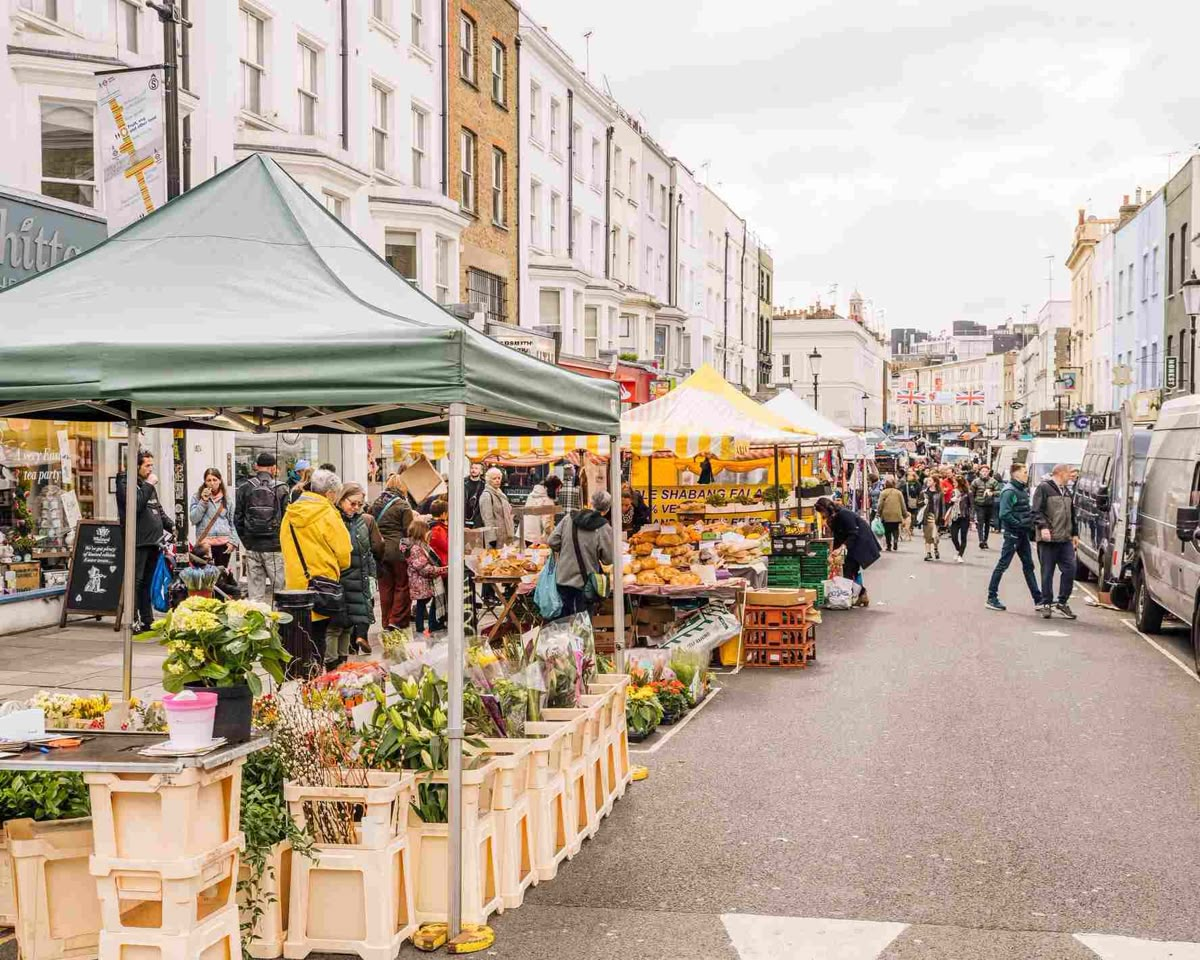
The Soul of the Market: Where Culture Comes Alive

Step into the vibrant world of farmers markets where culture, community, and commerce intertwine. Experience the stories of vendors, the colors of seasonal produce, and the connections that make markets the heart of food culture.

Read Full Article →
Sacred Spices

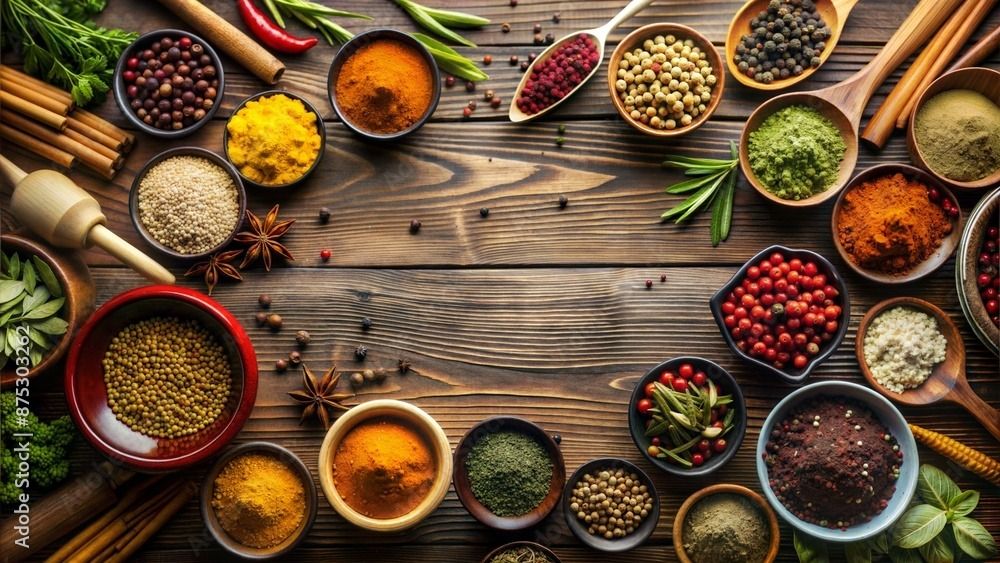
Sacred Spices: The Soul of Culinary Traditions

Uncover the spiritual and cultural significance of spices that have shaped civilizations. Explore how these precious ingredients transcend mere flavor, becoming bridges between generations and guardians of ancestral wisdom.

Read Full Article →
Festival Celebration

Harvest Festivals: Celebrating Community Through Food

Witness how harvest festivals bring communities together through shared meals and timeless traditions. Discover the deep connections between agriculture, gratitude, and celebration across different cultures and seasons.

Read Full Article →
Street Food

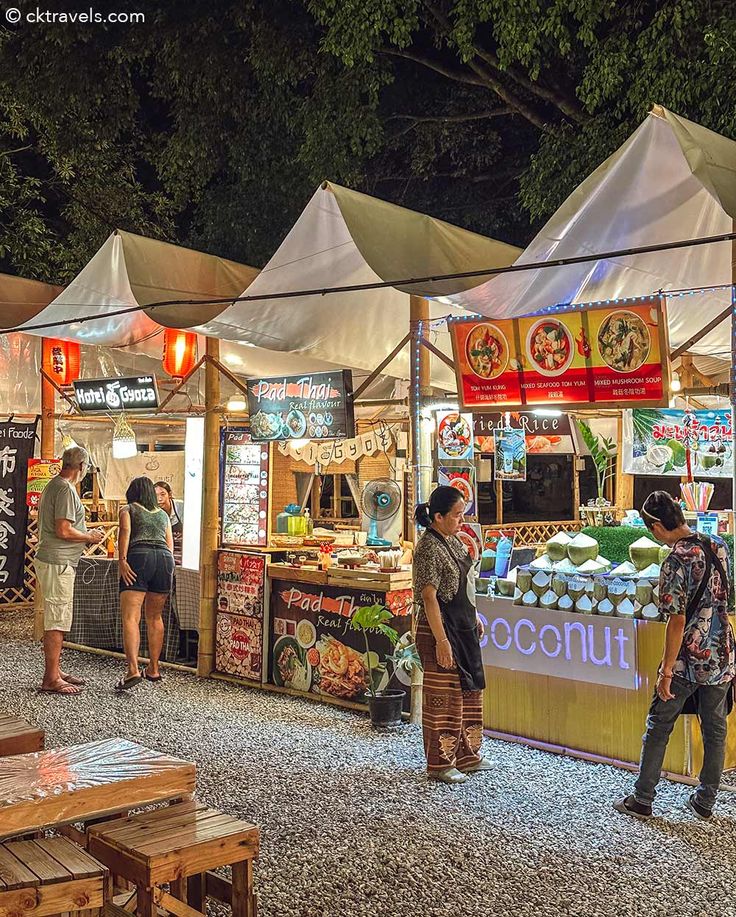
Street Food Stories: Heritage on Every Corner

Walk through bustling streets where vendors carry generations of culinary knowledge in their recipes. Meet the families who've perfected their craft over decades, turning simple ingredients into legendary street food experiences.

Read Full Article →
Street Food

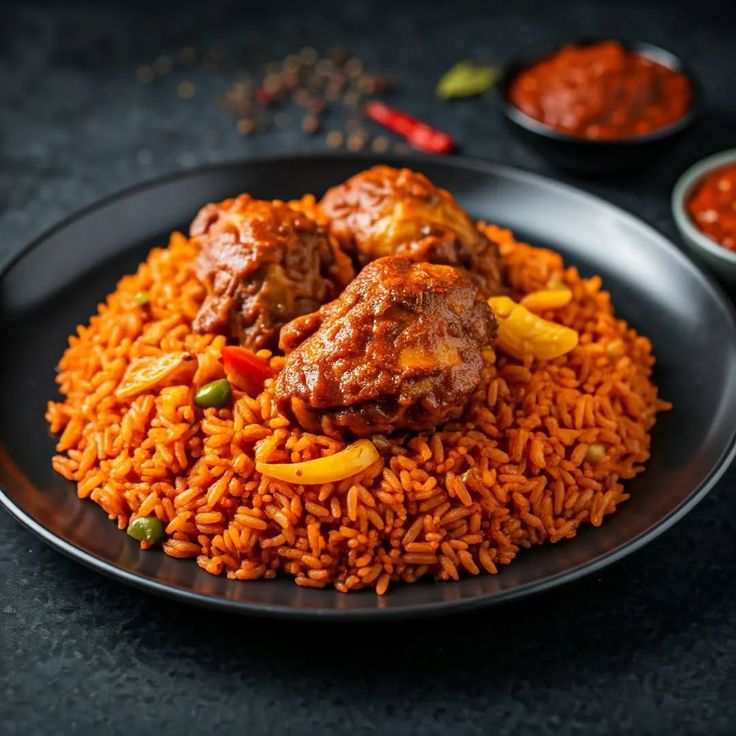
Jollof Rice: A West African Staple

Explore the rich history and cultural significance of Jollof Rice, a beloved dish that varies across West African countries. Learn about its origins, regional variations, and how it brings communities together during celebrations and daily meals.

Read Full Article →
Street Food

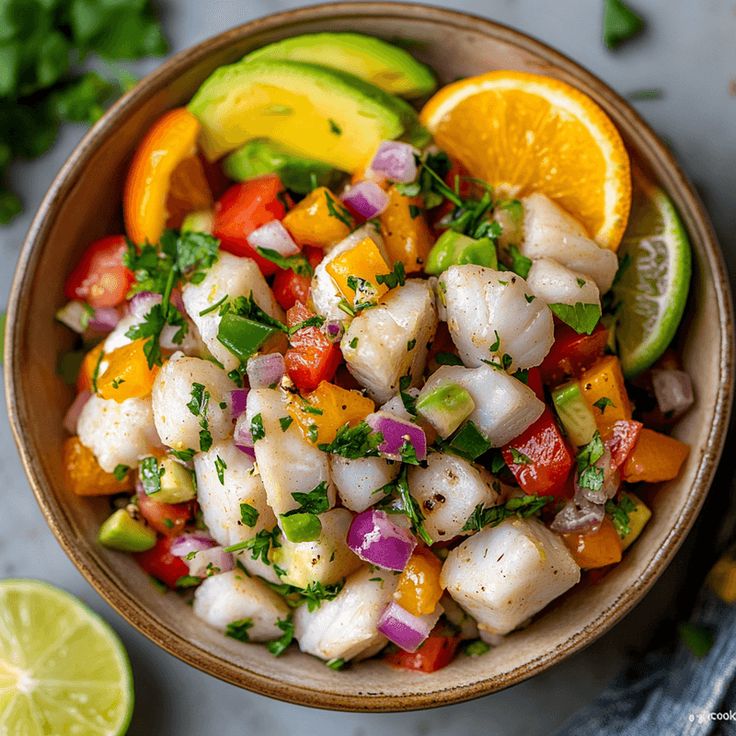
Coastal Ceviche

Ceviche is more than a dish; it's a celebration of the Pacific Ocean's bounty and Peruvian culinary tradition. This refreshing seafood delicacy transforms raw fish into something extraordinary through the magic of citrus.

Read Full Article →
Street Food

Bánh Mì

Bánh mì is Vietnam's answer to the perfect handheld meal—a French baguette transformed by Vietnamese ingredients into something entirely its own. This sandwich represents the country's colonial history and modern innovation.

Read Full Article →
Street Food

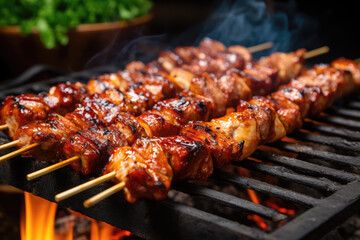
Street Skewers

Skewers represent humanity's oldest cooking method—meat, vegetables, and sometimes fruit grilled over flames. From Asian satay to Middle Eastern kebabs, skewers unite cultures through fire and smoke.

Read Full Article →
Street Food

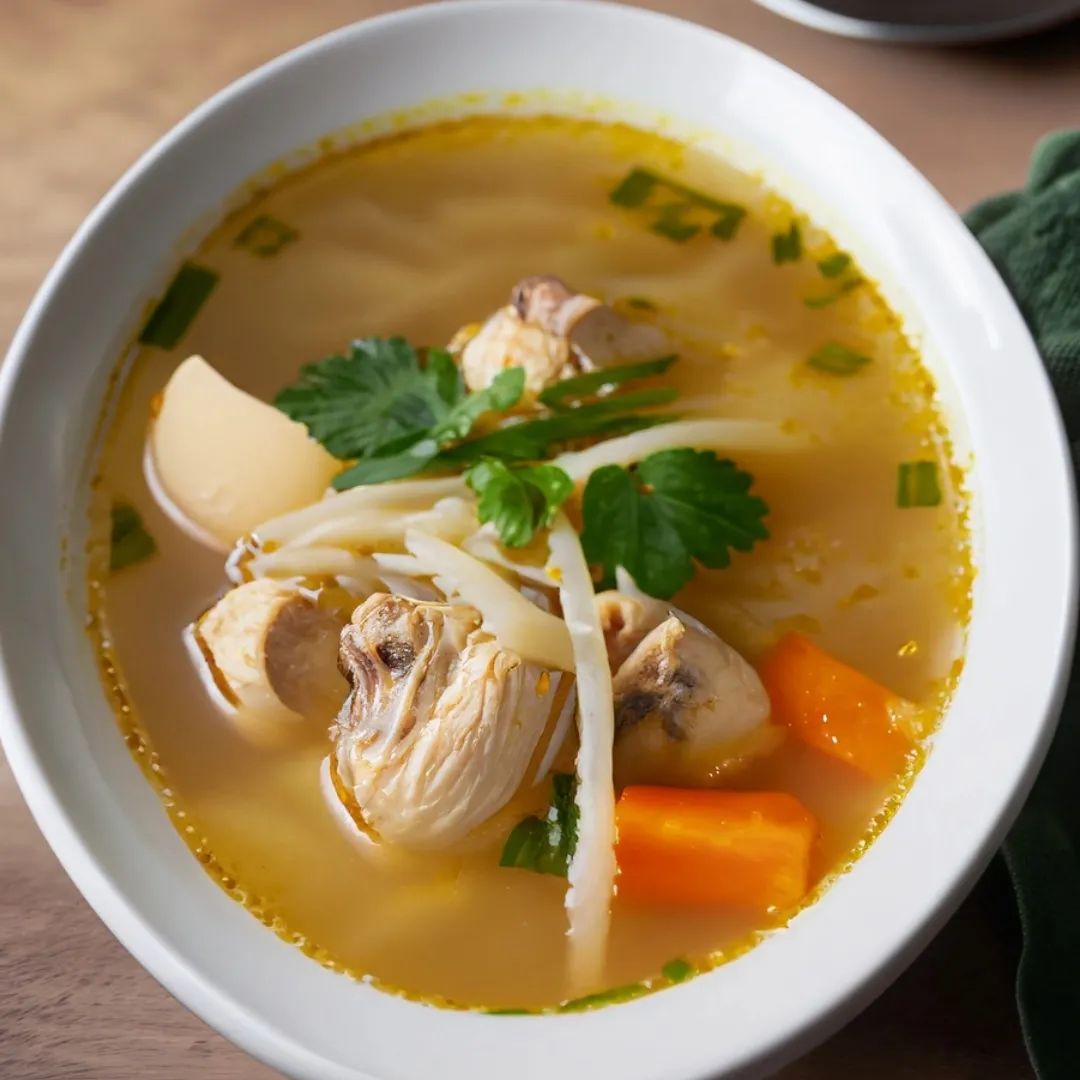
Well-Seasoned Chicken Soup

Chicken soup transcends geography—every culture has its own version, yet all share the fundamental comfort of warm broth, tender chicken, and aromatic vegetables. This universal dish proves that simplicity, when executed perfectly, needs no apology.

Read Full Article →
Street Food

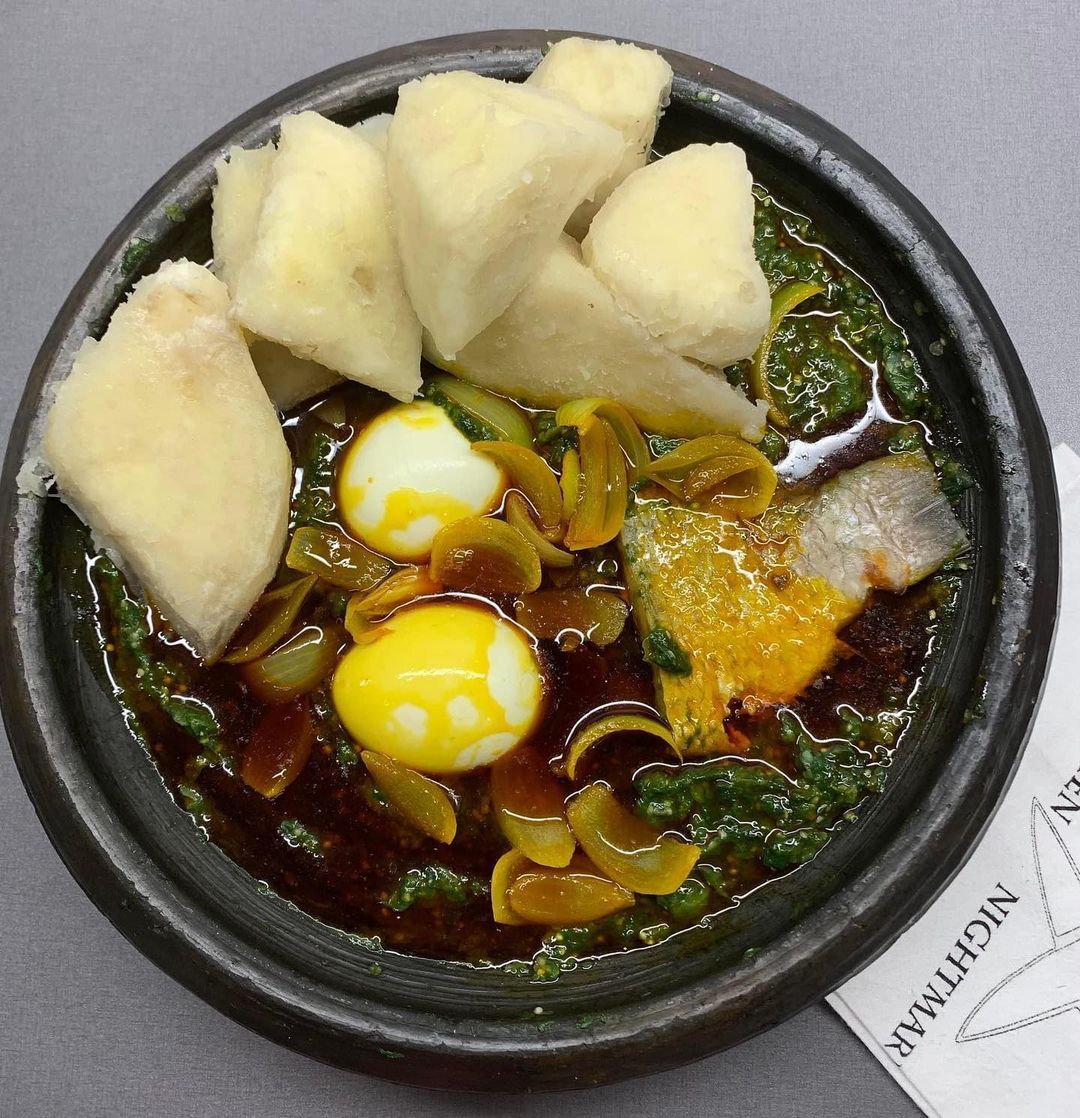
Yam and Palm Oil Sauce

Yam and palm oil sauce represents the culinary heart of West Africa, particularly Nigeria, Ghana, and Cameroon. This earthy, rich dish connects modern cooks to centuries of agricultural tradition and cultural heritage.

Read Full Article →

The Ancient Art of Bread Making

Bread Making

Bread is more than sustenance; it's a cultural artifact that has defined civilizations for over 10,000 years. From the ancient grains of Mesopotamia to the sourdough cultures of modern artisans, the art of bread making represents humanity's intimate relationship with nature and time.

The Origins of Bread

The discovery of leavened bread was perhaps accidental—a happy accident when wild yeast encountered dough. Archaeological evidence suggests that this transformative discovery occurred around 8600 BCE in the Fertile Crescent, fundamentally changing how societies grew, stored, and consumed grain. Unlike unleavened flatbreads, leavened bread was more digestible, had better flavor, and could be stored longer, making it the foundation for the rise of urban civilizations.

Traditional Fermentation Techniques

Before commercial yeast, bakers relied on naturally occurring wild yeast and bacteria to ferment their doughs. The sourdough cultures of San Francisco, the levains of France, and the sambusiks of Eastern Europe all represent sophisticated fermentation knowledge passed down through generations. These cultures weren't merely functional—they were living organisms that bakers nurtured, fed, and protected like precious family members. A single starter could remain active for centuries, creating an invisible link between past and present bakers.

The Science Behind the Craft

Modern bakers understand what traditional artisans knew intuitively: fermentation is both art and science. Long, slow fermentation develops complex flavors, improves dough strength, and creates superior digestibility. The Maillard reaction creates the golden crust, while enzyme activity breaks down starches and develops the crumb structure. Temperature, humidity, flour type, and hydration all play crucial roles in the final product. A baker reading the dough—feeling its elasticity, observing its rise, evaluating its smell—is engaging in a sophisticated sensory analysis that machines cannot replicate.

Global Bread Traditions

Every culture has developed unique bread traditions reflecting local climate, available grains, and cultural values. Italian pane toscano is baked without salt, a practice stemming from historical salt taxes. German pumpernickel undergoes slow fermentation for hours to develop its dark color and dense crumb. Japanese shokupan uses milk and eggs for a supremely soft crumb, while Indian naan is cooked in clay ovens, the intense heat creating distinctive char patterns. These aren't just different recipes—they represent different philosophies about what bread should be.

The Revival of Artisan Breadmaking

In the late 20th century, as industrial bread became ubiquitous, a renaissance of artisan baking began. Bakers like Chad Robertson at Tartine and Dominique Saibron in France brought attention back to traditional methods. The revival wasn't merely nostalgic; it was a conscious rejection of industrial shortcuts and a celebration of time, patience, and craftsmanship. Today's sourdough movement represents not regression but a sophisticated reclamation of knowledge, combining traditional wisdom with modern understanding of fermentation science.

Home Baking and Cultural Connection

Learning to make bread is an act of cultural engagement. When you feed a sourdough starter, you're participating in a practice millions have done before you. When you shape a loaf, you're learning techniques developed over centuries. The patience required—the waiting, the observation, the subtle adjustments—teaches us something about time that our modern culture of instant gratification desperately needs. In many families, bread baking has become a ritual that connects children to their heritage, passing not just recipes but wisdom about patience, care, and the value of slow processes.

The ancient art of bread making remains vital because it speaks to something fundamental in human experience: the transformation of simple elements—grain, water, salt, and time—into nourishment and beauty. In every loaf is encoded thousands of years of human knowledge, and in every baker's hands is the opportunity to keep this tradition alive.

Meet Chef Maria: Preserving Family Recipes

Chef Maria

In a cozy kitchen overlooking the city, Chef Maria carefully measures out ingredients for a dish she's prepared thousands of times—her grandmother's signature ragu. Her hands move with muscle memory, a somatic knowledge accumulated through decades of repetition. But this isn't rote cooking; every stir, every addition of ingredient is an act of remembrance and cultural preservation.

A Legacy Written in Flavors

Maria grew up watching her grandmother, Nonna Rosa, cook with an intuition that seemed almost magical. "She never used measurements," Maria recalls, her eyes distant with memory. "She'd say, 'When it looks right, it is right.' I'd be so frustrated trying to replicate her dishes until I realized she was teaching me a language, not a formula." Her grandmother didn't write down recipes; she existed as a living cookbook, her methods embedded in gesture and sensibility rather than written instruction.

When Nonna Rosa passed away, Maria faced a crisis common to many cultural families—the fear that irreplaceable knowledge would vanish. She began the painstaking work of reverse-engineering her grandmother's dishes, cooking repeatedly, adjusting, tasting, remembering. "My first ragu was a disaster," she laughs. "I used canned tomatoes. Nonna Rosa would have been scandalized. Now I use San Marzano tomatoes she would have approved of, and I slow-cook the sauce for six hours the way she did."

Balancing Tradition and Innovation

What makes Maria's approach remarkable isn't blind adherence to tradition but thoughtful evolution of it. She honors her grandmother's techniques while incorporating modern nutritional understanding and contemporary ingredients when they genuinely improve the dish. "Tradition isn't about being stuck in the past," Maria explains. "It's about understanding why something works and preserving that essence while allowing it to breathe and grow."

In her restaurant, this philosophy manifests beautifully. She serves her grandmother's pasta carbonara alongside modern vegetable preparations that celebrate seasonal produce. She uses her nonna's slow-braise method for chicken but pairs it with contemporary plating that's both elegant and accessible. Her menu is a dialogue between generations—a conversation with her grandmother conducted through food.

The Documentation Process

Recognizing that oral tradition alone is fragile, Maria has been systematically documenting her grandmother's recipes. But she refuses to reduce them to simple ingredient lists. Instead, her documentation includes stories: why her grandmother double-fried certain vegetables (to create a specific texture), why she added a particular spice (because it reminded her of her childhood market), why certain dishes were reserved for specific occasions. The recipes become windows into a complete worldview, a entire philosophy of eating and living.

She's teaching these recipes to her children with the same intentionality her grandmother used. "I want them to understand not just how to make these dishes, but why they matter," she says. "Every recipe is a connection to our family, to our region, to our heritage. When my daughter makes Nonna Rosa's gnocchi, she's not just cooking dinner—she's participating in a tradition that goes back generations."

Addressing Food Heritage in a Global Age

Maria is part of a growing movement of chefs and home cooks working to preserve food heritage in an era of globalization and culinary homogenization. In her community, she leads workshops teaching traditional cooking methods to younger generations who might otherwise lose this knowledge. She's not gatekeeping these recipes; she's actively sharing them, recognizing that cultural food knowledge only survives if it's transmitted and embraced by new practitioners.

"Food tourism and Instagram have changed things," she acknowledges. "Now more people are interested in authentic cooking and heritage recipes. But with that interest comes responsibility. We can't let traditional cooking become just another trend. It has to remain rooted in meaning and understanding."

The Emotional Resonance of Family Food

What Maria values most is the emotional dimension of these recipes. When customers tell her that her pasta reminded them of their own grandmother, or that eating her food was a way to feel connected to their heritage, she understands the deeper purpose of her work. Food is memory. Food is love. Food is the most tangible way we can pass ourselves forward to future generations.

"When I cook my grandmother's recipes, I feel her presence," Maria says simply. "And I know that when my children cook them, I'll be there too. That's why this matters so much. We're not just preserving recipes; we're ensuring that love, knowledge, and identity continue to be transmitted through time."

In Chef Maria's kitchen, heritage isn't something to be displayed in museums; it's something alive, breathing, evolving, and deeply nourishing—not just to the body, but to the soul.

The Soul of the Market: Where Culture Comes Alive

Farmers Market

Early morning light filters through the canvas canopies as vendors arrange their goods with deliberate artistry. Towers of tomatoes in graduated shades of red, displays of heirloom vegetables in colors nature rarely produces, tables laden with fresh herbs releasing their aromatic declarations. The farmers market is where seasons announce themselves, where local agriculture becomes a public spectacle, and where community is performed through the ritual of commerce and connection.

A Living Encyclopedia of Agriculture

The farmers market preserves knowledge that industrial agriculture threatens to erase. Here, you can still find varieties of vegetables that haven't been optimized for shipping or storage—heirloom tomatoes that taste like the sun concentrated into fruit, lettuces with bitter complexity, root vegetables with earthiness that reveals soil composition. These aren't trendy indulgences; they're the living archive of agricultural history, each variety representing decades or centuries of selection and adaptation to local conditions.

Conversations between farmers and customers embody knowledge transfer. An older shopper asks a farmer about selecting the most flavorful peaches; a young person inquires about how to prepare a vegetable they've never encountered; a parent helps their child understand where their food originates. These interactions are education in its most organic form, information flowing between people who have experience and time for genuine exchange.

Economic Resilience and Fair Exchange

Unlike supermarkets where economic relationships are obscured by corporate structures and complex supply chains, farmers markets are transparent exchanges. You pay the person who grew your food. You learn their challenges—unexpected weather, rising input costs, difficulty finding workers. You develop an understanding that the price you pay is connected to real labor, real risk, and genuine stewardship of land. This transparency builds accountability and fairness that industrial systems struggle to achieve.

For farmers, markets offer economic viability beyond commodity prices. By selling directly to consumers, they retain a larger portion of the retail price and develop relationships that insulate them from market volatility. Small-scale farmers who might be unable to compete with industrial operations can thrive at markets because customers value their specialization and their story. This economics-with-a-human-face approach sustains agricultural diversity and keeps farms in family hands across generations.

Cultural Intersection and Community Identity

Markets are where diverse communities intersect through food. Recent immigrants bring seeds from their homelands, establishing agricultural bridges between continents. Vendors selling unfamiliar vegetables create opportunities for cultural exchange and culinary exploration. A market in a diverse neighborhood becomes a microcosm of the world—languages flowing together, cooking traditions mingling, children from different backgrounds learning about foods their peers eat at home.

For many immigrant communities, market selling becomes a first economic foothold, a way to enter a new country while maintaining cultural identity. The Vietnamese vendor selling fresh herbs, the Mexican farmer with cascades of chiles, the African vendor with plantains and leafy greens—they're simultaneously preserving their heritage and building new lives, feeding their communities while creating economic pathways for their families.

Environmental Consciousness and Sustainability

Markets embody ecological principles that industrial agriculture abandons. Local food requires less transportation, reducing carbon footprint and fuel costs. Seasonal eating aligns human consumption with natural abundance rhythms, creating eating patterns that are environmentally sustainable. Many farmers at markets practice organic or low-chemical methods because they know the people who will consume their produce—the abstraction of industrial agriculture permits practices that face-to-face relationships make impossible.

The market also eliminates packaging waste inherent in supermarket systems. Customers bring reusable bags and containers. Conversation determines portions rather than packaging constraints. This seemingly small shift has profound environmental implications when multiplied across thousands of shopping trips.

Reclaiming Food Sovereignty

Markets represent reclamation of food sovereignty—a move away from dependence on distant supply chains and toward local food security. This isn't nostalgic agrarianism; it's practical resilience. Communities with functioning farmers markets and local food systems are more secure when global supply chains are disrupted. They develop the knowledge and relationships necessary to feed themselves, reducing vulnerability to corporate control and external shocks.

The Market as Public Commons

Beyond economic transactions, markets function as crucial public spaces. They're not privatized like shopping malls but genuinely public commons where people from all socioeconomic backgrounds gather. Children play near vendor stalls while parents shop. Retirees meet friends for weekly coffee and conversation. Musicians and artists perform, adding cultural vitality. The market becomes a third space—between home and work—where democratic community life occurs.

The farmers market, in all its vibrant complexity, represents food culture in its most authentic and generative form. Here, commerce serves community. Production connects to purpose. Seasons are respected. Relationships matter. In markets across the world, the deep human need to gather, exchange, learn, and celebrate food and place continues to flourish, nourishing not just bodies but the social bonds that hold communities together.

Sacred Spices: The Soul of Culinary Traditions

Sacred Spices

Open the spice cabinet of any home and you're opening a portal to the world. Each jar contains not just flavor, but history—trade routes mapped in cardamom, colonialism encoded in cloves, spiritual practices crystallized in saffron. Spices are among humanity's most valuable commodities, worth their weight in gold for centuries, prized not merely for taste but for their transformative properties, their medicinal potential, and their profound symbolic significance in cultural and spiritual life.

The Geography of Flavor and Faith

Spices didn't merely flavor food; they shaped civilizations. The spice trade—routes extending from the Malabar Coast to the Mediterranean, from Southeast Asia to the Middle East—created the first truly global commerce. Nations conquered territories for spice monopolies. Explorers risked their lives pursuing them. The spices that seem ordinary in our kitchens represented extreme value in historical economies, driving exploration, trade, and cultural exchange.

But beyond commerce, spices held sacred dimensions in virtually every culture. Frankincense and myrrh were precious enough for Wise Men to present as gifts. In Hindu traditions, turmeric is used in rituals and spiritually considered purifying. In Islamic cultures, specific spices feature in religious practices and are mentioned in sacred texts. Chinese medicine integrates spices not as condiments but as medicinal substances, part of an entire healing philosophy. These cultural associations run deep, embedding spices with meanings that transcend flavor.

Turmeric: The Golden Healer

Turmeric appears in Indian cuisine so pervasively it seems a basic ingredient rather than a sophisticated substance. Yet this bright golden spice carries profound significance. In Ayurvedic medicine, turmeric has been prescribed for thousands of years for everything from skin conditions to internal inflammation. Modern science has validated what traditional practitioners always knew—turmeric contains curcumin, with genuine anti-inflammatory properties.

Beyond medicine, turmeric is sacred. In Hindu ceremonies, turmeric paste is applied to brides and grooms, believed to purify and protect them. The color itself carries spiritual weight. As ingredient, medicine, and ritual substance, turmeric represents the holistic way traditional cultures understood plants—not as isolated chemical compounds but as complex substances addressing body, mind, and spirit simultaneously.

Saffron: The Spice of Patience

Saffron represents culinary extreme—the most expensive spice in the world, each delicate red thread hand-harvested from crocus flowers that bloom for just two weeks annually. Producing a pound of saffron requires approximately 150,000 flowers and countless hours of labor. This scarcity isn't accidental; it reflects the genuine difficulty of obtaining the spice and contributes to its profound value.

In Persian, Indian, and Mediterranean cuisines, saffron is transformative. A few threads steep in water, releasing color and a flavor simultaneously floral and mineral. It's used in celebrations and ceremonial dishes because its expense makes it appropriate for occasions of significance. In traditional medicine, saffron is prescribed for mood and cognition. The cost, rarity, and sensory intensity combine to make saffron a luxury that feels almost spiritual when used thoughtfully.

Cinnamon and Star Anise: Spices of Empire and Exile

The warm spice that flavors holiday cookies and fancy coffee was once worth its weight in gold. Cinnamon controlled by Dutch traders was so profitable that colonial powers fought wars over access to the cinnamon-producing regions. This innocuous spice, now available for mere dollars, was once a marker of wealth and status, its presence in a home indicating resources and access to global trade networks.

Star anise, with its geometric perfection and licorice notes, features prominently in Asian cooking, particularly Chinese five-spice blends. It's been used in Traditional Chinese Medicine for digestive support and in European folk medicine for various purposes. Its distinctive visual form and flavor make it memorable, and across cultures, it appears in sweet and savory applications, suggesting universal recognition of its appeal.

Cardamom: The Queen of Spices

In Indian cooking, cardamom is used so generously it seems essential, yet its distinctive flavor—camphorated and floral—isn't subtle. Cardamom tea is prescribed in Ayurvedic medicine to support digestion. In Scandinavian baking, it appears in breads and pastries. The spice thrives in the tropical highlands of South India, Guatemala, and a few other regions where specific climate conditions allow its cultivation, making it another genuinely precious commodity.

What's remarkable is how cardamom has traveled while maintaining cultural significance in its original regions while becoming beloved far from its origins. This suggests something about spices generally—their ability to transcend origin and speak to universal human appreciation for complexity and subtle flavor.

The Spiritual Dimensions of Spice

In Islamic tradition, specific spices appear in sacred texts and hadith literature, their use connected to following prophetic example. In Jewish traditions, spices are central to significant ceremonial occasions. In Buddhist and Hindu temples, incense made from fragrant spices creates sensory environments that support spiritual practice. Across religious traditions, spices elevate experiences from ordinary to sacred, their value and sensory intensity making them appropriate for sacred occasions.

This spiritual-culinary relationship isn't coincidental. The rarest, most valuable spices naturally gravitated toward religious and ceremonial use. The very expense and scarcity that made spices precious in commerce also made them appropriate for sacred observance. Over time, the association deepened until spices became embedded in spiritual practice, their use part of ritual and remembrance.

Spices as Memory and Connection

The sensory power of spices creates immediate, involuntary memory recall. A whiff of particular spices can transport people across decades and continents—to grandmother's kitchen, to childhood celebrations, to cultural origins they might not have experienced directly. This mnemonic power makes spices central to how cultures maintain identity and transmit heritage. A recipe featuring specific spices becomes a vehicle for cultural continuity, a way of tasting and touching one's heritage.

Sacred spices represent humanity's profound relationship with the plant world—our recognition that certain plants contain properties that feed not just our bodies but our spirits. In an era of culinary homogenization and industrial flavor processing, the continued celebration of authentic spices and the knowledge traditions surrounding them becomes an act of resistance and remembrance. Every time we steep cardamom in tea or use turmeric in ceremony, we participate in practices thousands of years old, connecting to ancestors and maintaining knowledge systems that modern culture constantly threatens to erase.

Harvest Festivals: Celebrating Community Through Food

Festival Celebration

As summer fades and autumn approaches, communities around the world gather to celebrate the harvest—that miraculous transformation of labor, luck, and natural processes into abundance. Harvest festivals represent humanity's oldest celebrations, older than most religions, embedded in the fundamental human experience of seasonal dependence on agricultural cycles. These festivals are where culture, spirituality, ecology, and community gather around tables laden with food.

The Deep Origins of Harvest Gratitude

Before civilization developed sophisticated religions and philosophical systems, humans celebrated harvests from pure existential necessity. When crops successfully matured, survival for the coming winter was secured. Harvest success meant life; failure meant potential starvation. This wasn't ceremonial; it was fundamental. Early harvest celebrations were expressions of genuine gratitude for survival itself, festivals that recognized humanity's dependence on forces beyond our control and celebrated when those forces proved benevolent.

As societies developed, harvest festivals incorporated increasingly sophisticated elements—rituals, prayers, designated foods, ceremonial elements that transformed practical agricultural celebrations into deeply spiritual occasions. Yet beneath the elaboration, the essential recognition remained: harvest is grace, abundance is gift, and community celebration is the appropriate human response to being sustained.

Global Harvest Traditions

The Jewish Sukkot celebrates the wilderness wandering and the harvest, with families building temporary dwellings and commemorating dependence on divine provision. The Thanksgiving tradition in North America, despite its complicated historical context, maintains the essential structure—a meal celebrating survival and gratitude, bringing families together in remembrance of past abundance.

In Germany, Oktoberfest, while often reduced to beer celebration, originated as harvest celebration, the timing reflecting the conclusion of harvesting work. In India, Pongal celebrates the harvest, with families preparing specific foods from the new harvest in ceremonies of thanksgiving. In China, the Mid-Autumn Festival celebrates harvest with mooncakes and family gatherings. In Greece, Anthestiria recognized the new wine and agricultural fertility. Across cultures, the autumn harvest precipitated festive occasions, recognizing that food security deserved celebration and gratitude.

The Sacred Geometry of Harvest Foods

Harvest festivals showcase specific foods that carry symbolic weight. Corn—from Mesoamerica, developed through thousands of years of indigenous selection—appears in celebrations from indigenous North American tribes to modern American Thanksgiving. Squashes, beans, and corn together form the agricultural trinity that sustained pre-Columbian civilizations and continue to appear in harvest celebrations. Grapes and wine feature in Mediterranean harvest festivals. Rice features centrally in Asian harvest celebrations. The choice of foods isn't random; they represent the successful crops, the locally produced staples that enabled survival.

These foods aren't merely nutritious; they carry cultural meaning. Corn silk and kernels, squash's orange abundance, the deep color of beans—each food represents visible success, tangible evidence that the earth has provided, that labor has produced results, that the coming winter can be met with adequate stores.

Community Reinforcement Through Shared Meals

Harvest festivals are inevitably communal. Across cultures, they involve shared meals, feasts that exceed ordinary appetite—celebrations of abundance through generous consumption and sharing. These meals function socially to reinforce community bonds, economically to distribute harvest benefits, and spiritually to acknowledge gratitude through celebration.

The communal feast also functions to redistribute wealth. Harvest festivals historically included aspects of gift-giving and redistribution, acknowledging that harvest success depended on community labor and that food abundance called for generosity rather than hoarding. This redistribution aspect maintained social stability and prevented the hoarding that could have created conflict between those with abundant harvests and those with inadequate ones.

Seasonal Awareness and Ecological Literacy

Harvest festivals embedded ecological awareness directly into cultural practice. Celebrating harvest meant maintaining consciousness of seasons, understanding what plants produced when, recognizing that human survival depended on understanding and respecting natural cycles. This awareness extended beyond food production—understanding seasons meant understanding when to harvest wood, when fish spawned, when to migrate or prepare shelter for winter.

In modern agricultural systems, this awareness has largely disappeared. We consume foods year-round that naturally grow in specific seasons, supported by global supply chains that make seasonality invisible. Yet many contemporary food movements attempt to reclaim seasonal awareness by celebrating harvest times and eating what's available rather than pursuing year-round access to everything. These efforts represent recovery of knowledge that harvest festivals originally encoded—awareness that seasons matter, that local agriculture creates real rhythms, that human life is embedded in natural cycles.

Harvest Festivals in Contemporary Context

Modern harvest festivals have become somewhat attenuated—less dependent on actual harvest success, more ritualistic than practical. Yet this doesn't diminish their importance. Perhaps harvest festivals matter more now, when they function less as survival necessity and more as conscious choice to acknowledge dependence, gratitude, and community connection.

Many communities have begun intentionally recreating harvest celebrations that connect food production to celebration. Farm-to-table dinners, community harvest festivals, farmers market celebrations—these modern versions maintain harvest festival functions while adapting them to contemporary circumstances. They celebrate not just agricultural success but also the relationships between consumers and producers, the knowledge of where food comes from, the recognition of agricultural work's value.

Food as the Language of Gratitude

Across all harvest festivals, food is the central language of gratitude and celebration. The quality of shared food, its abundance, its preparation with care—these communicate abundance, generosity, and the recognition that eating together is sacred. Whether through the Jewish Seder, the American Thanksgiving dinner, the Indian Pongal feast, or the Chinese Mid-Autumn dinner, cultures have recognized that gratitude is best expressed through generous, thoughtful food shared with community.

In an era of food disconnection—when many people are unaware of where their food originates, when agricultural work is largely invisible, when we've largely lost connection to natural seasonal rhythms—harvest festivals offer countercultural opportunity. They invite us to remember that we're dependent on natural processes we don't control, that our food security depends on agricultural knowledge and labor, that abundance calls for gratitude and generosity, and that community is sustained through shared meals. In this remembering, we touch something ancient and essential about human existence.

Street Food Stories: Heritage on Every Corner

Street Food

Before restaurants became formalized establishments, before restaurants became spaces exclusively for eating, before cooking occurred primarily in private kitchens—food was made and consumed in streets and public spaces. Street food is the original fast food, the cuisine of working people, the culinary expression of communities that fed themselves with what was convenient, affordable, and delicious. Today, street food represents some of the world's most beloved dishes, often with histories stretching back centuries, refined not in fancy restaurant kitchens but in pushcarts, small stalls, and vendor spaces refined through generations of repetition.

Street Food as Cultural Cornerstone

Walk through the streets of any world city at meal times and street food vendors appear—not as anomalies but as essential infrastructure. In Bangkok, the pad thai cooked in a vendor's cart is likely superior to many restaurant versions. In Mexico City, the best tacos are often from street vendors who've perfected their craft over decades. In Istanbul, the kebab vendors represent centuries of culinary tradition. In Lagos, Accra, Cairo, and Mumbai, street food represents not informal economy but dominant food source for millions—the restaurants of ordinary people, the spaces where serious food culture happens.

Street food doesn't represent lesser culinary traditions; in many cases, it represents deeper traditions. While formal restaurant cuisine developed to impress wealthy elites, street food developed to feed working people efficiently, affordably, and deliciously. This constraint produced innovation—a necessity to maximize flavor while minimizing ingredient costs and cooking time produced sophisticated techniques and recipe development that rivals any restaurant cuisine.

Economics of Street Vending

Street vending represents crucial economic access for millions. In developing economies, street food vending provides employment for people who might otherwise struggle to find work. A cart, some basic equipment, and culinary knowledge become entrepreneurship—the pathway to income without formal employment requirements, without capital prerequisites that would exclude the poor from economic participation.

This economic function has profound implications. For immigrants arriving in new countries with limited English proficiency or formal qualifications, street food vending offers entry into labor markets. For people with family responsibilities limiting full-time employment possibilities, vendor work offers flexibility. For communities marginalized from formal economy, street vending enables self-employment and independence. The street vendor economy, while often unregulated and precarious, represents genuine economic democratization, making entrepreneurship accessible to those formal business structures exclude.

Intergenerational Knowledge Transfer

Street food businesses often pass through families across generations. A vendor's child grows up in the family business, learning not just recipes but technique, business practices, customer relations, and the specific knowledge that makes their food distinctive. This intergenerational transmission ensures that recipes and techniques survive, refined through repetition and adaptation over decades. The family recipe becomes the competitive advantage, the secret that makes their pad thai superior to competitors', that makes their pupusas legendary in their neighborhood.

In many cases, these family recipes have traveled continents. An immigrant from Vietnam teaches their children to prepare the pho that their grandmother made; a Mexican family whose lineage in their country extends centuries continues making the mole their ancestors developed; a West African family carries forward recipes that navigate back through diaspora. The street food cart becomes a vehicle for cultural continuity, a way of transmitting heritage while adapting to new contexts.

The Soul of Specific Dishes

Many of the world's most iconic dishes originated as street food, refined by vendors into legendary status. Khao soi in Thailand began as peasant food, rice noodles with curry broth, created by vendors using inexpensive ingredients to produce satisfying meals. Today it's considered one of Thailand's most important dishes, though it retains its street food origins—served in bowls, eaten with hands, representing the essence of Thai culinary philosophy.

Falafel became iconic Middle Eastern street food, likely developing in Egypt or the Levant, vegetarian protein available affordably to poor communities and sold by street vendors. It's since become so embedded in regional identity that it's impossible to imagine Middle Eastern culture without it, yet it originated as practical street food, a way to feed working people efficiently. Similar stories apply to empanadas, samosas, jianbing, crepes, kebabs—the world's most recognized and beloved dishes often began as practical street food created for ordinary people.

The Vendor: Keeper of Culinary Legacy

Meet Mr. Chen, who has sold dan tat (egg tarts) from the same corner in Hong Kong for forty-three years. His hands move through the production automatically—rolling dough, forming tarts, filling with custard, baking to golden perfection. The line waiting for his tarts stretches around the block every morning. When asked why his tarts surpass others, he discusses specifics of custard temperature, the precise moment to remove them from the oven, the butter composition—details refined through decades of daily repetition.

Mr. Chen doesn't have a culinary degree; he learned from his mother, who learned from her mother. The dan tat recipe has been refined across generations, minor adjustments accumulating into something distinctively superior. He could write down the recipe, but the magic lives in execution—in the feel of the dough, in the visual evaluation that determines when they're perfectly cooked, in the subtle judgment refined only through making thousands of tarts. When Mr. Chen eventually retires, his daughter plans to continue the business, ensuring that the accumulated knowledge survives and that customers can continue experiencing the tarts that have been part of Hong Kong's food culture for decades.

Challenges and Precariousness

Street food vendors operate in precarious conditions. Most lack formal registration and operate in legal gray areas. Health regulations, while important, often seem designed to exclude informal vendors rather than improve safety. Lack of access to credit limits business growth. The hours are long, compensation uncertain, and the work physically demanding. Vendors face constant risk of fines, displacement for urban development, or competition from formal restaurants.

Yet vendors persist because the alternatives are often worse. For many, street food vending represents the best available option—genuine autonomy, flexible hours, the possibility of entrepreneurial success. And for their customers, street vendors represent accessible food, the meal that fits their budget, the cuisine that tastes like home. This mutual dependence—vendor and customer each needing what the other provides—creates the ecosystems where street food thrives.

Street Food and Cultural Tourism

Contemporary travel increasingly emphasizes street food as the authentic culinary experience. Food tourism often seeks out vendors rather than formal restaurants, recognizing that street food represents truer expression of local food culture than expensive establishments. This creates both opportunity and danger. The opportunity is that vendors gain economic advantage from increased customers. The danger is that street food can become commodified, transformed into performance for tourists, losing the authentic context that made it valuable.

The challenge is celebrating and supporting street food culture while respecting the communities these vendors serve. Street food isn't museum piece to be preserved but living practice—food made for people who eat it regularly, who depend on it for affordable nutrition, who value it not as cultural artifact but as delicious, practical daily food. Supporting street food means providing regulatory frameworks that enable vendors to formalize without losing what makes them valuable, that protect rather than displace them, that recognize their economic and cultural importance.

The Future of Street Food

As cities modernize and formal food systems expand, street food appears threatened. Yet in many places it adapts and thrives. Food trucks bring street food traditions to new contexts. Pop-up restaurants capture street food sophistication for diners seeking authenticity. Online platforms connect vendors to customers. The transmission of recipes from vendor parents to children continues, ensuring knowledge survival.

What endures about street food is the fundamental appeal: delicious food made quickly, affordably, with expertise refined through repetition. As long as people need to eat and can't always access formal restaurants, street food will exist. As long as cultures want to transmit their food heritage, vendors will continue to carry those traditions forward. In every street vendor's cart is encoded centuries of culinary evolution, family history, community knowledge, and the resilience of cultural practice. Every time someone purchases food from a street vendor, they're participating in cultural transmission, economic democratization, and the continuance of food traditions that have sustained communities across centuries and continents.

Jollof Rice: A West African Staple

Street Food

Jollof rice is more than just a dish—it's a cultural institution across West Africa. This vibrant, one-pot rice preparation has graced tables at celebrations, family gatherings, and everyday meals throughout countries like Ghana, Nigeria, Senegal, and beyond. With its distinctive reddish-orange hue and aromatic spices, Jollof rice represents the heart of West African cuisine.

A Rich History

The origins of Jollof rice trace back to the Wolof people of Senegal, with the dish's name derived from the Wolof word "jollof." However, the recipe has evolved and been embraced throughout the region, with each country developing its own unique interpretation. From the streets of Lagos to the markets of Accra, Jollof rice has become a symbol of West African identity and pride.

The magic of Jollof rice lies in its simplicity and flavor. The dish combines rice, tomatoes, peppers, onions, and aromatic spices like bay leaves and thyme, all cooked together in one pot. The key to authentic Jollof is the tomato base, which gives the rice its signature color and a slightly smoky flavor, especially when the bottom layer develops a subtle crust—a feature some consider the mark of truly excellent Jollof.

A Celebration in Every Bite

Whether served at weddings, holidays, or family dinners, Jollof rice is inseparable from celebration. It pairs beautifully with grilled chicken, fried plantains, and fresh salads. Across West Africa, friendly debates persist about which country makes the "best" Jollof—a testament to how deeply this dish resonates with the region's people.

Jollof rice is a delicious reminder of West African heritage and culinary excellence. Simple yet satisfying, it brings people together and keeps traditions alive, one plate at a time.

Jollof Rice: A West African Staple

Street Food

Ceviche is more than a dish; it's a celebration of the Pacific Ocean's bounty and Peruvian culinary tradition. This refreshing seafood delicacy transforms raw fish into something extraordinary through the magic of citrus.

Origins and History

Ceviche's roots trace back to pre-Columbian Peru, where indigenous peoples combined fresh fish with native citrus fruits. Spanish colonizers later enhanced the recipe with lime and onions, creating the dish we know today. The name likely derives from the Quechua word "ceviche" or the Spanish "escabèche."

The Technique

The magic of ceviche lies in its simplicity. Fresh, high-quality fish—typically sea bass, flounder, or snapper—is cut into bite-sized cubes and "cooked" in citrus juice. The acid denatures the protein, creating a firm, opaque texture similar to heat cooking. This process takes 15-30 minutes, depending on the fish's thickness and citrus strength.

Regional Variations

Peru's coastal regions each offer unique interpretations. Lima's version emphasizes simplicity, while northern variants include more seafood like octopus and squid. Ecuador adds peanuts and plantain chips, while Mexico's ceviche tostadas pair the fish with crispy tortillas.

Serving and Accompaniments

Traditional ceviche is served with camote (sweet potato), corn, and cancha (toasted corn kernels). Modern presentations may include avocado, cilantro, and jalapeños. Some variations add leche de tigre—a flavorful broth made from fish trimmings, citrus, and spices.

Cultural Significance

Ceviche Day (June 28) is celebrated in Peru with national pride. This dish represents national identity and is enjoyed at beachside restaurants and humble street vendors alike. It's both accessible and sophisticated, making it the ultimate street food.

Bánh Mì

Street Food

Bánh mì is Vietnam's answer to the perfect handheld meal—a French baguette transformed by Vietnamese ingredients into something entirely its own. This sandwich represents the country's colonial history and modern innovation.

Historical Context

The bánh mì emerged during French colonial rule when baguettes and pâté were introduced to Vietnam. Vietnamese street vendors adapted these European ingredients to local tastes, creating a fusion that transcended both cultures. Today, it's Vietnam's most exported street food.

The bánh mì's success depends on its bread. Vietnamese baguettes are lighter and airier than French versions, often made with rice flour for a crispier crust and tender crumb. This texture is crucial—it should be sturdy enough to hold fillings yet light enough to eat comfortably.

Key Ingredients

Proteins: Traditional bánh mì includes Vietnamese cold cuts (such as thit nuong—grilled pork), pâté, and sometimes liver sausage. Modern versions feature grilled chicken, tofu, or sardines.
Vegetables: Daikon and carrots are pickled in vinegar and sugar, providing essential brightness and crunch. This technique, called "do chua," is fundamental to Vietnamese cuisine.
Fresh Elements: Cilantro, jalapeños, cucumber, and fresh herbs add fragrance and heat. Mayonnaise provides richness, while maggi seasoning sauce adds umami depth.

Regional Variations

Southern bánh mì tends to be sweeter with more mayo, while northern versions are simpler. Hanoi's bánh mì thịt nướng (grilled pork) is considered the classic, though bánh mì pâté from the north is equally beloved.

Cultural Significance

Bánh mì represents Vietnamese resilience and creativity. It's affordable, versatile, and available on nearly every street corner. Vietnamese immigrants have introduced bánh mì globally, with Vietnamese bakeries now thriving in major cities worldwide.

Street Skewers

Street Food

Skewers represent humanity's oldest cooking method—meat, vegetables, and sometimes fruit grilled over flames. From Asian satay to Middle Eastern kebabs, skewers unite cultures through fire and smoke.

Asia's Satay Tradition

Indonesian and Malaysian satay features marinated meat (beef, chicken, or goat) threaded on bamboo skewers and grilled over charcoal. Peanut sauce—rich with garlic, shallots, and spices—is the essential accompaniment. Thai grilled chicken skewers (gai yang) are equally beloved, often served with sticky rice and papaya salad.
Vietnamese bánh nướng (grilled meat) skewers showcase the country's grilling mastery. Marinated in lemongrass, garlic, and fish sauce, these skewers are smoky and intensely flavored.

Middle Eastern Kebabs

Turkish döner kebab—stacked meat slowly roasted on a vertical spit—is street food at its most theatrical. The meat's outer layer crisps while the interior stays moist, creating textural contrast. It's served in flatbread with tomatoes, onions, and sauce.
Shish kebab, meaning "skewer meat" in Turkish, features cubed lamb or beef marinated in yogurt and spices, then grilled on metal skewers. Persian kebabs emphasize simplicity—ground meat mixed with herbs, formed onto skewers, and grilled until charred.

African and South American Takes

Brazilian churrasco features skewered meat cooked rodizio-style, where servers bring cuts directly to tables. Nigerian suya—seasoned beef or goat skewers—combines peanut powder with spices for a distinctive dry-rub coating.
Argentinian choripán pairs grilled chorizo skewers with chimichurri sauce, while Brazilian espetinhos offer bite-sized grilled meat on toothpicks, perfect for street eating.

The Universal Appeal

Skewers work everywhere because they're: portable, customizable, engage the senses through smoke and char, and connect us to primal cooking methods. Whether in Bangkok, Istanbul, or São Paulo, grilled meat on sticks represents fundamental human comfort.

Well-Seasoned Chicken Soup

Street Food

Chicken soup transcends geography—every culture has its own version, yet all share the fundamental comfort of warm broth, tender chicken, and aromatic vegetables. This universal dish proves that simplicity, when executed perfectly, needs no apology.

The Science of Great Chicken Soup

Exceptional chicken soup begins with quality ingredients and patience. The best broths come from simmering chicken bones (or whole birds) for 2-4 hours, allowing collagen to convert to gelatin, creating body and richness. The slow extraction of flavor requires no rushing.
Aromatic vegetables—onions, carrots, and celery—form the flavor foundation. In French cuisine, this is mirepoix; in Chinese cooking, it's simply the holy trinity of ingredients that support chicken's mild flavor.

Global Interpretations

Jewish Chicken Soup: Often called "Jewish penicillin," this soup emphasizes chicken fat (schmaltz), matzo balls, and fresh dill. It's traditionally served on Shabbat and represents maternal care and cultural continuity.
Vietnamese Cà Phê Gà: This specialty features chicken, ginger, galangal, and turmeric, often served with rice and blood orange. The broth is golden, aromatic, and deeply comforting.
Thai Tom Yum Gai: Hot and sour chicken soup balances galangal, lemongrass, lime juice, and chili. It's simultaneously refreshing and warming—a paradox that defines Thai cooking.
Korean Samgyetang: Young chicken stuffed with ginseng, jujubes, and glutinous rice is simmered in a medicinal broth. It's traditionally eaten during summer to restore vitality.
Peruvian Aguadito: This cilantro-based soup includes rice, potatoes, and vegetables, often served as comfort food during celebrations.

Street Vendor Tradition

In many cultures, chicken soup vendors occupy prime street positions. Whether in Vietnam's early morning markets or Jerusalem's midnight stands, hot chicken soup served from large pots represents accessible nutrition and warmth. The simplicity belies the skill required—managing heat, timing, and seasoning to create something greater than its parts.

Health and Wellness

Beyond its comforting properties, chicken soup offers legitimate nutritional benefits. The gelatin from bones supports joint health, amino acids promote collagen production, and vegetables provide vitamins and minerals. This explains why nearly every culture ascribes healing properties to chicken soup.

Yam and Palm Oil Sauce

Street Food

Yam and palm oil sauce represents the culinary heart of West Africa, particularly Nigeria, Ghana, and Cameroon. This earthy, rich dish connects modern cooks to centuries of agricultural tradition and cultural heritage.

Yam: Africa's Staple Crop

Yams have been cultivated in West Africa for over 8,000 years. Unlike sweet potatoes, true yams are starchy tubers that can weigh up to 45 kilograms. They're central to West African identity, celebrated in festivals, and considered symbols of prosperity. The yam harvest season brings community celebrations and special preparations.

The Essential Palm Oil

Palm oil—extracted from the fruit of the oil palm—is fundamental to West African cooking. Its distinctive orange-red color and rich, slightly sweet flavor are irreplaceable. Red palm oil contains more beta-carotene than carrots and has been used traditionally for centuries. While environmental concerns surround modern palm oil production, culturally appropriate, sustainably sourced palm oil remains important to West African cuisine.

Preparation and Technique

The sauce begins with caramelizing onions in palm oil until deeply browned. Tomatoes (fresh or canned) are added along with stock, creating a flavorful base. Proteins like beef, stockfish, or prawns are simmered until tender. Seasonings—including curry powder, thyme, bay leaves, and African spices—build complexity.
Yams are boiled or fried separately until just tender, maintaining their firm texture. When served together, the creamy yam provides textural contrast to the rich, spiced sauce.

Cultural Significance

Yam and palm oil sauce represents hospitality, celebration, and family. It appears at naming ceremonies, weddings, and festive gatherings. For many West African diaspora communities, preparing this dish maintains cultural connection across generations and continents.
The dish embodies sustainable, plant-based cooking while incorporating protein, making it both culturally meaningful and nutritionally sound. In West African markets and homes, this combination remains the ultimate comfort food.